Rövid leírás:
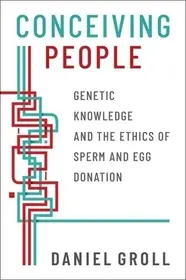
Each year, tens of thousands of children are conceived with donated gametes (sperm or eggs). Some know the identity of their donors. Others never will. Questions about what donor-conceived people should know about their genetic progenitors are significant for literally millions of people, including donor-conceived people, their parents, and donors. But the practice of gamete donation also provides a vivid occasion for thinking about questions that matter to everyone. What is the value of knowing who your genetic progenitors are? How are our identities bound up with knowing where we come from? In Conceiving People: Identity, Genetics and Gamete Donation, Daniel Groll argues that people who plan to create a child with donated gametes should choose a donor whose identity will be made available to the resulting child. This is not, Groll argues, because having genetic knowledge is fundamentally important. Rather, it is because donor-conceived people are likely to really care about having genetic knowledge and parents should care about what their kids care about.
Több
Hosszú leírás:
This is an open access title available under the terms of a CC BY-NC-ND 4.0 International license. It is free to read at Oxford Scholarship Online and offered as a free PDF download from OUP and selected open access locations.
Each year, tens of thousands of children are conceived with donated gametes (sperm or eggs). By some estimates, there are over one million donor-conceived people in the United States and, of course, many more the world over. Some know they are donor-conceived. Some do not. Some know the identity of their donors. Others never will.
Questions about what donor-conceived people should know about their genetic progenitors are hugely significant for literally millions of people, including donor-conceived people, their parents, and donors. But the practice of gamete donation also provides a vivid occasion for thinking about questions that matter to everyone. What is the value of knowing who your genetic progenitors are? How are our identities bound up with knowing where we come from? What obligations do parents have to their children? And what makes someone a parent in the first place?
In Conceiving People: Identity, Genetics and Gamete Donation, Daniel Groll argues that people who plan to create a child with donated gametes should choose a donor whose identity will be made available to the resulting child. This is not, Groll argues, because having genetic knowledge is fundamentally important. Rather, it is because donor-conceived people are likely to develop a significant interest in having genetic knowledge and parents must help satisfy their children’s significant interests. In other words, because a donor-conceived person is likely to care about having genetic knowledge, their parents should care too.
While a claim about access to genetic knowledge lies at the heart of Groll’s book, he is all too aware of the social forces that influence people to care about their genetic origins…Conceiving People is aimed principally at the decisions of individual actors-those intending to become parents with donated gametes and those donating their gametes for this use.
Több
Tartalomjegyzék:
Chapter 1: Introduction: The Central Question
Chapter 2: Keeping Secrets
Chapter 3: The Significant Interest View
Chapter 4: The Value of Genetic Knowledge
Chapter 5: The Bionormative Prejudice
Chapter 6: Tipping the Scale
Chapter 7: The Donor’s Responsibilities
Chapter 8: Policy and Practice
Afterword